



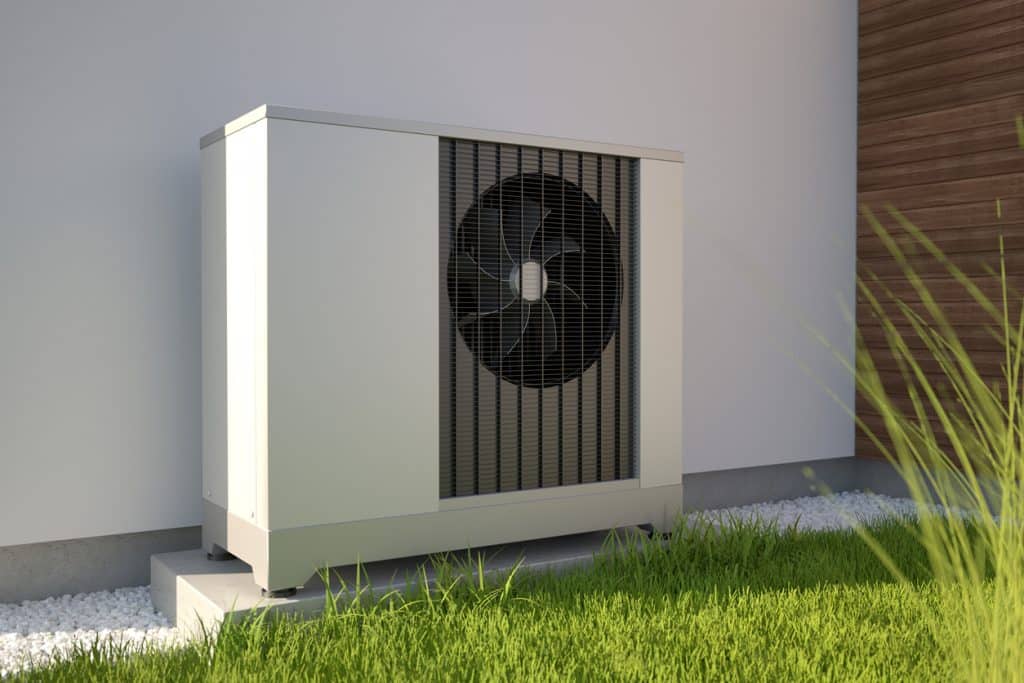
Heat pumps are becoming popular because they offer an energy-efficient alternative to traditional HVAC systems. If you’re thinking of purchasing one, this guide breaks down how they work and the benefits they offer.
What Is a Heat Pump?
A heat pump is an electric HVAC system that heats and cools your home by transferring heat rather than generating it. Traditional furnaces burn fuel to create heat. However, a heat pump transfers heat from outside your home to inside when heating and vice versa when cooling.
Types of Heat Pumps
There are several types of heat pumps available on the market. Air-source heat pumps transfer heat between the indoor air and the outside air and are available in both ducted and ductless configurations. Ground-source (geothermal) heat pumps transfer heat from the ground. Installing geothermal heat pumps is a more involved process, though.
There are also mini-split systems, which provide zoned comfort, allowing you to control the temperature in each room individually. Finally, there are hybrid or dual-fuel heat pump systems, which combine an electric-source heat pump with a traditional furnace. Hybrid systems allow you to use the heat pump when it’s moderately cold and the furnace when it’s extremely cold.
Benefits of Installing a Heat Pump
Installing a heat pump comes with obvious benefits. Heat pumps are 3-4 times more efficient than traditional HVAC systems, which translates into lower monthly utility costs. A single unit combines heating and cooling. And because they run on electricity, they can significantly reduce your carbon footprint.
Heat Pumps Versus Traditional HVAC Systems
Deciding on a heat pump versus a traditional HVAC system isn’t always an easy choice. Here is how the two systems differ.
Heat pumps generally cost more to install than traditional systems. Furnaces are a better option in climates with long stretches of extremely cold weather. And heat pumps are easier to maintain as they don’t have separate heating and cooling equipment.
Heat pumps do just as well as air conditioners. But, high-efficiency heat pumps offer better humidity control compared to standard air conditioners.
Is a Heat Pump Right for Your Home?
If you already have ductwork in your home, a heat pump can easily replace your traditional HVAC system. On the other hand, if you don’t have ducts, a mini-split system would be an ideal alternative.
Climate is another consideration. If you have temperatures that consistently drop below 25 degrees Fahrenheit, consider a hybrid heat pump.
Think about your energy goals, too. If sustainability is a household goal, an electric heat pump is the way to go.
Lastly, your budget is a deciding factor, too. As heat pumps are more expensive, they’re best for homeowners who can comfortably afford the upfront cost.
An expert can help you choose the best climate control solution for your comfort. If you need a heat pump for your North Salt Lake, UT home, contact the pros at Alta Air.